
What Are Cloud Security Services and Why Does Your Business Need Them?
The move to the cloud brings speed and scale, but also new security challenges. Cloud security services protect sensitive data, ensure compliance, and defend your workloads – no matter which cloud platform you use. At TestUnity, we assess your cloud posture (AWS, Azure, GCP, hybrid), implement best practices (IAM, encryption, firewalls), and provide 24/7 monitoring and incident response. Our solutions align with GDPR, HIPAA, PCI DSS, and SOC 2. Whether you're migrating, expanding, or optimising, we help you innovate without compromising security.















































What Are the Key Benefits of Cloud Security Services?
Multi‑Cloud Expertise
AWS, Azure, GCP, and hybrid – consistent protection across all your cloud environments.
Proactive Threat Detection
Real‑time monitoring and automated incident response – stop breaches before they spread.
Compliance Ready
Align with GDPR, HIPAA, PCI DSS, SOC 2 – meet audit requirements with confidence.
Tools We Use For Testing



How TestUnity Delivers Cloud Security Services
🎯 Key Takeaways
- Cloud security services protect data, apps, and workloads – enabling safe cloud adoption and innovation.
- We secure AWS, Azure, GCP, and hybrid environments – consistent best practices across platforms.
- Compliance alignment: GDPR, HIPAA, PCI DSS, SOC 2 – audit‑ready documentation and controls.
- 24/7 monitoring + incident response – minimise risk and ensure business continuity.
Make the most of TestUnity's software testing services to provide an impeccable experience to your users
Why Choose TestUnity for Cloud Security Services?
- Broad expertise across leading cloud providers: AWS, Azure, Google Cloud Platform, and hybrid environments
- Comprehensive protection: configuration hardening, data loss prevention, identity and access management, and automated monitoring
- Regulatory compliance: solutions tailored to meet GDPR, HIPAA, PCI DSS, SOC 2, and other industry standards
- 24/7 security monitoring and rapid incident response – to minimise risk and ensure business continuity
- Clear documentation and knowledge transfer, empowering your IT team to manage, scale, and adapt your cloud security posture

Related Case Studies
Security Testing of Bloom AI Application
Bloom AI's AWS cloud environment required comprehensive security assessment. We identified misconfigured IAM roles, unencrypted S3 buckets, and overly permissive security groups. Our cloud security services included posture hardening, encryption implementation, and 24/7 monitoring setup – ensuring compliance with GDPR and SOC 2.
Key result: All cloud misconfigurations resolved, encryption implemented across all data stores, and continuous monitoring established for their AWS infrastructure.
Read Full Case Study →
Security Testing of Segmind MLOps Platform
Segmind's MLOps environment spanned AWS and GCP. Our cloud security services included unified IAM policy enforcement, network segmentation, real-time threat detection, and automated compliance reporting. We also embedded security into their CI/CD pipeline for continuous protection.
Key result: Consistent security policies across AWS/GCP, 99% reduction in cloud misconfigurations, and audit-ready compliance reports for ISO 27001.
Read Full Case Study →
Frequently Asked Questions About Cloud Security Services
-
What are Cloud Security Services, and why are they important?
Cloud Security Services help organizations protect data, applications, and workloads in the cloud. With the right protections in place, you can confidently leverage cloud agility without risking breaches or compliance violations.
-
Can you secure multiple cloud platforms or hybrid environments?
Yes. We secure multi-cloud and hybrid environments, applying consistent best practices across AWS, Azure, Google Cloud, and on-premise infrastructure to reduce complexity and risk.
-
What compliance frameworks do your services cover?
Our solutions align with key regulations, including GDPR, HIPAA, PCI DSS, and SOC 2. We help you meet audit requirements while improving your overall security.
-
How do you detect and respond to cloud threats?
We implement real-time monitoring, threat intelligence, and automated incident response to quickly contain suspicious activity – minimizing potential damage and downtime.
-
Will you work with our internal team to enable best practices?
Absolutely. We provide actionable guidance, process documentation, and hands-on training – so your organization can maintain and scale a strong cloud security posture.
-
How quickly can Cloud Security Services be implemented in our environment?
Implementation timelines vary based on your environment's complexity and requirements, but our proven process ensures rapid assessment and phased rollouts – minimizing disruption to your business.
-
What are the most common risks if we delay cloud security measures?
Delaying cloud security can expose your business to data breaches, financial loss, compliance penalties, and reputational harm. Proactive security helps you stay ahead of evolving cyber threats.
-
Can you integrate security with our DevOps and CI/CD workflows?
Yes! We specialize in embedding security into DevOps pipelines and CI/CD processes, ensuring continuous compliance and automated protection throughout your application lifecycle.
Latest QA Blogs
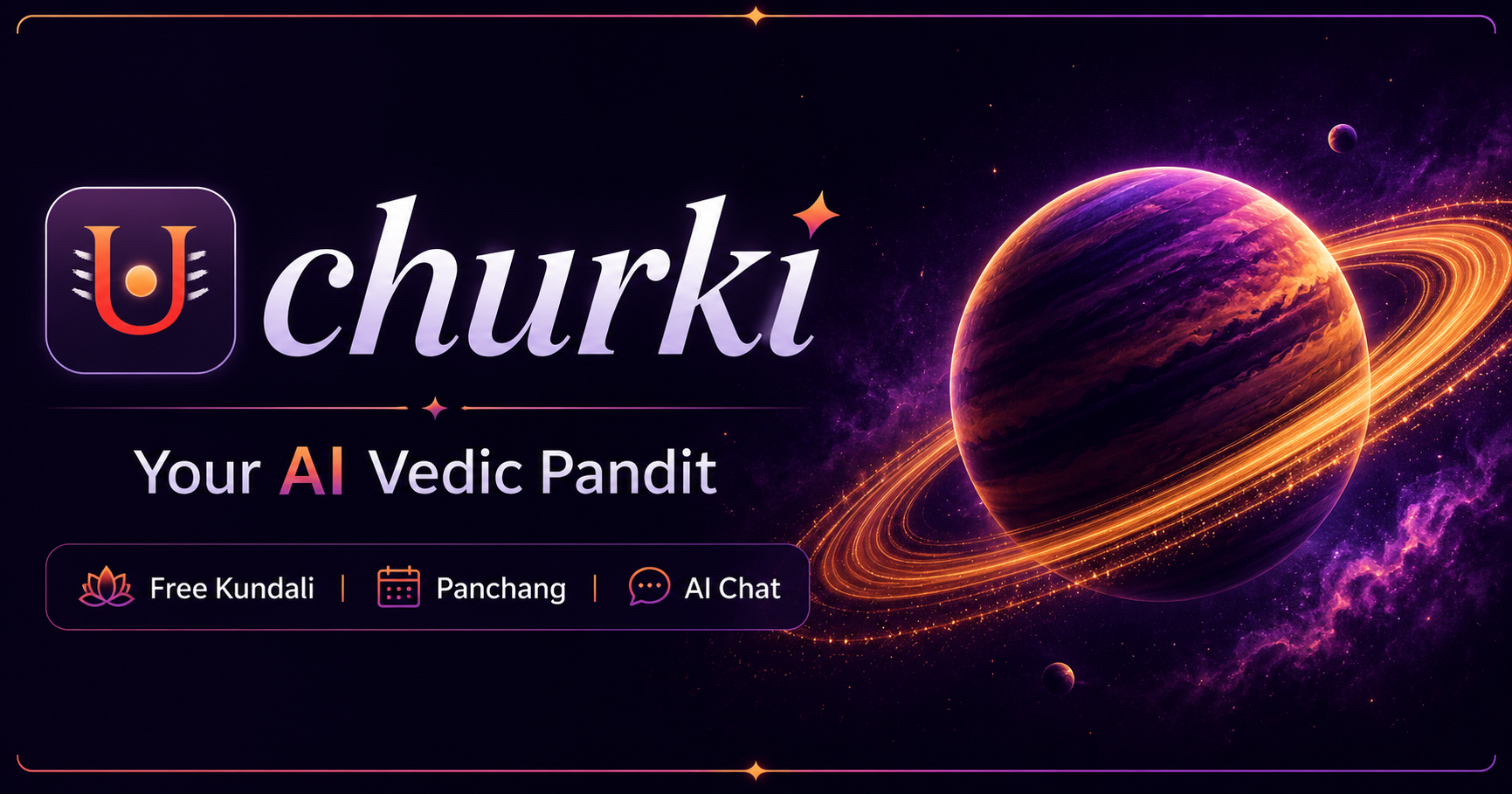
Churki — India’s First AI Vedic Pandit App Is Now Free on Android and iOS
A new AI app called Churki has launched in India, and it solves a problem that 500 million Indians face every day. Consulting a Vedic Pandit traditionally costs Rs.10–50 per minute, requires an appointment, and is simply not available at 2am when most people actually need guidance. Churki removes every one of those barriers — […]

Design Patterns in Test Automation: Page Object, Factory, Facade & Beyond
You know the Page Object Model. But your test framework is still messy. Tests are hard to maintain. New team members struggle. There must be a better way. There is. Design patterns in test automation are proven solutions to recurring problems. They go beyond basic Page Object to give you a complete architecture that scales. This guide […]
Get In Touch
Connect with us directly


Our credentials