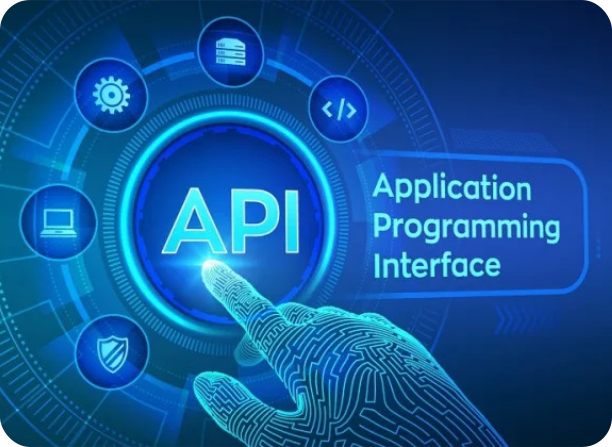
What Is an API Security Assessment and Why Does Your Business Need It?
APIs drive today's digital ecosystems, but their exposure makes them a top attack vector. An API security assessment identifies vulnerabilities, misconfigurations, and access control gaps – including broken authentication, excessive data exposure, and business logic flaws. At TestUnity, our expert‑led testing follows OWASP API Security Top 10, covering authentication, authorisation, injection, rate limiting, and shadow APIs. You receive a structured report with severity ratings, remediation guidance, and compliance mapping (ISO 27001, PCI DSS, GDPR). Secure your APIs without slowing down agile development.















































What Are the Key Benefits of an API Security Assessment?
Prevent Data Breaches
Catch broken authentication, excessive data exposure, and injection flaws before attackers exploit them.
Achieve Compliance
Meet ISO 27001, PCI DSS, SOC 2, HIPAA, and GDPR requirements with a formal assessment report.
Accelerate DevSecOps
Integrate security testing into your CI/CD pipeline – fix issues early without slowing releases.
Tools We Use For Testing



How Does TestUnity Perform an API Security Assessment?
🎯 Key Takeaways
- API security assessment goes beyond basic scanning – we test authentication, authorisation, injection, rate limiting, and business logic.
- Follows OWASP API Security Top 10 and aligns with ISO 27001, PCI DSS, SOC 2, HIPAA, GDPR.
- We discover shadow APIs and misconfigured endpoints that automated tools often miss.
- Actionable, developer‑friendly reports help you fix issues fast – without slowing your release cycle.
Make the most of TestUnity's software testing services to provide an impeccable experience to your users
Why Choose TestUnity for API Security Assessment?
- Industry‑grade tools + human analysis to cover surface‑level misconfigurations and deep logic flaws
- Assessments follow global standards (OWASP, NIST) – compliant and defensible under scrutiny
- Testing services scale with your tech stack (REST, GraphQL, SOAP, gRPC)
- Actionable, developer‑friendly reporting with prioritised fixes

Related Case Studies
Automation Testing of GDPR App
GDPR App's API layer handles sensitive user data across microservices. Our API security assessment uncovered broken authentication in their OAuth2 implementation, excessive data exposure in user profile endpoints, and an insecure direct object reference (IDOR) vulnerability that allowed unauthorised access to other users' data.
Key result: All critical API vulnerabilities patched, OWASP API Top 10 compliance achieved, and zero data breaches reported post‑fix.
Read Full Case Study →
Automation Testing of Web-Based E-Claim Application
E-Claim's healthcare API handles sensitive patient claims data. Our API security assessment identified rate limiting gaps, SQL injection vulnerabilities in search endpoints, and excessive logging of sensitive patient information. We also discovered a shadow API endpoint used for internal testing that lacked authentication controls.
Key result: 15 API vulnerabilities identified and resolved, rate limiting implemented, and compliance with HIPAA and GDPR achieved.
Read Full Case Study →
Frequently Asked Questions About API Security Assessment
-
What is an API security assessment and why is it essential?
An API security assessment is a focused review of your application programming interfaces to uncover potential vulnerabilities. It ensures your APIs are hardened against abuse and helps build secure digital platforms that are resilient and compliant.
-
How does API security testing differ from traditional web app testing?
API security testing targets machine-to-machine communication layers, not just UI vulnerabilities. It involves testing endpoints, access control, data exposure, and logic flaws specific to APIs – often missed in general testing services.
-
Can this help us become compliant with data protection regulations?
Yes. A thorough API security assessment ensures your backend services follow security best practices, helping you meet compliance requirements for ISO 27001, PCI DSS, SOC 2, HIPAA, and GDPR.
-
Will this slow down our release schedule?
No. Our testing services are built for agile workflows. We work in parallel with your dev team, flagging high-impact issues early so you can launch fast – without compromising on security.
Latest QA Blogs
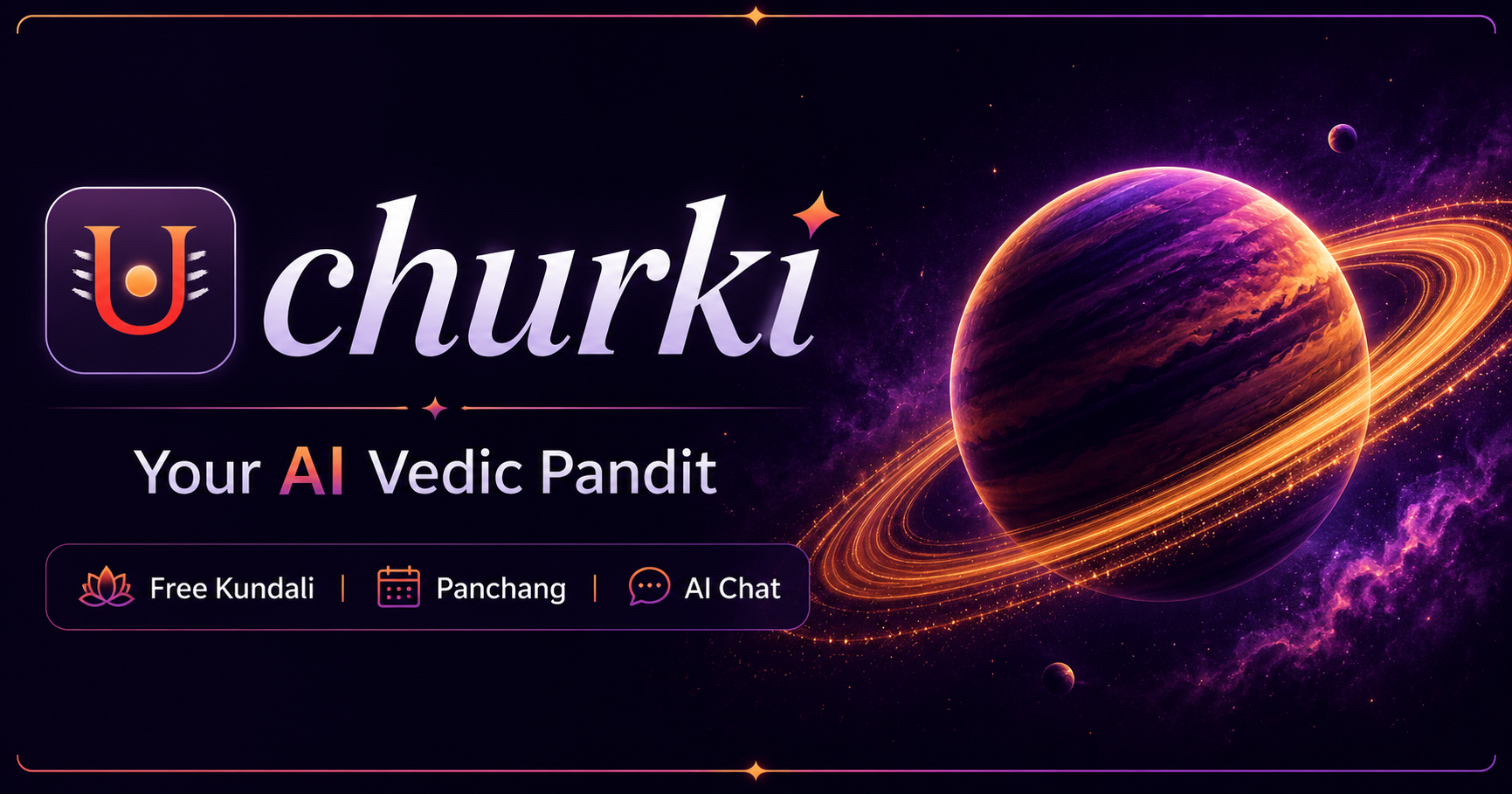
Churki — India’s First AI Vedic Pandit App Is Now Free on Android and iOS
A new AI app called Churki has launched in India, and it solves a problem that 500 million Indians face every day. Consulting a Vedic Pandit traditionally costs Rs.10–50 per minute, requires an appointment, and is simply not available at 2am when most people actually need guidance. Churki removes every one of those barriers — […]

Design Patterns in Test Automation: Page Object, Factory, Facade & Beyond
You know the Page Object Model. But your test framework is still messy. Tests are hard to maintain. New team members struggle. There must be a better way. There is. Design patterns in test automation are proven solutions to recurring problems. They go beyond basic Page Object to give you a complete architecture that scales. This guide […]
Get In Touch
Connect with us directly


Our credentials