
What Is an Automation Framework and Why Does Your QA Need One?
As applications grow, ad‑hoc automation efforts break down – test scripts become brittle, maintenance spikes, and release cycles slow. An automation framework provides a structured foundation for your test code: reusable components, modular design, and seamless CI/CD integration. At TestUnity, we build custom frameworks using Selenium, Playwright, Appium, REST Assured, or Cypress – tailored to your tech stack, team skills, and business goals. We also provide documentation and training so your QA team stays self‑sufficient.












































What Are the Key Benefits of an Automation Framework?
Lower Maintenance
Modular design and reusable components reduce the effort to update tests when your app changes.
Faster Feedback
CI/CD‑integrated tests run automatically, catching regressions within minutes of code changes.
Scalable Coverage
Parallel execution and data‑driven testing let you handle hundreds of test scenarios efficiently.
Tools We Use For Testing



How Does TestUnity Deliver Automation Framework Development?
🎯 Key Takeaways
- An automation framework reduces test maintenance and helps you scale coverage without chaos.
- We support Selenium, Playwright, Appium, REST Assured, Cypress, and many more tools.
- Frameworks are built with modular design, data layers, and CI/CD integration out of the box.
- TestUnity provides full handover – documentation, training, and ongoing support options.
Make the most of TestUnity’s software testing services to provide an impeccable experience to your users
Why Choose TestUnity for Automation Framework Development?
- Custom framework design using Selenium, Playwright, Appium, REST Assured, or Cypress
- Tool‑agnostic structure with page‑object and keyword‑driven patterns
- CI/CD‑integrated for automated builds and instant test feedback
- Modular architecture with reusable components and test data layers
- Complete handover with documentation, walkthroughs, and training

Related Case Studies
Automation Testing of Web-Based E-Claim Application
DHS Arabia needed a scalable automation framework for their healthcare claims system. We built a modular Selenium‑based framework with Page Object Model, test data separation, and CI/CD integration using Jenkins. The framework now runs 500+ regression tests daily.
Key result: 70% reduction in regression execution time, 90% test automation coverage, and zero production defects in the last six sprints.
Read Full Case Study →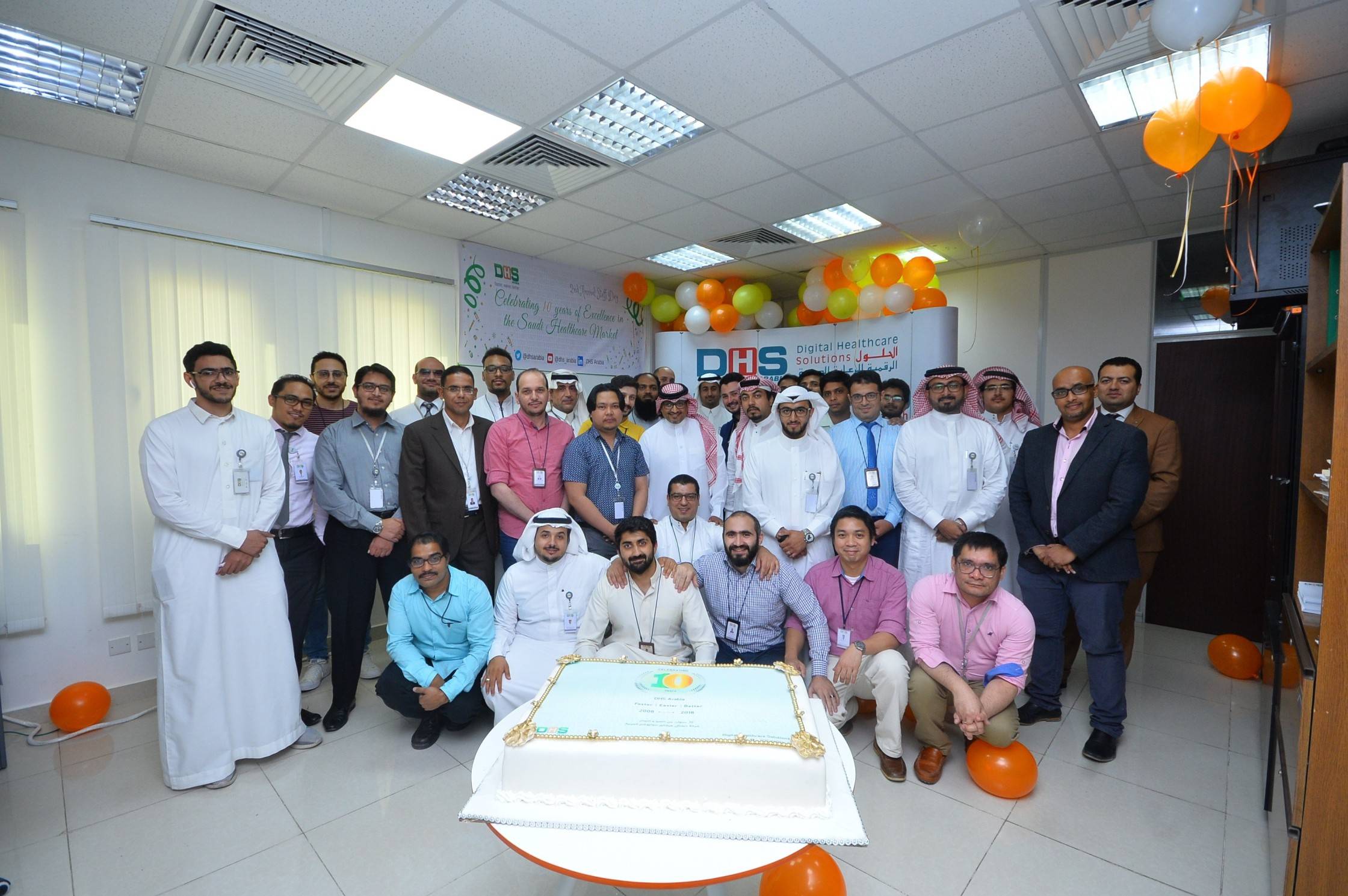
Functional Testing of Little Millennium Web App
Little Millennium's educational platform required a robust functional testing framework to handle complex user journeys across multiple devices. We developed a hybrid framework combining keyword‑driven and data‑driven approaches, integrated with GitHub Actions for continuous validation.
Key result: 400+ test scenarios automated, 50% faster release cycles, and 100% cross‑browser coverage.
Read Full Case Study →
Frequently Asked Questions About Automation Framework Development
-
What is an automation framework, and why do we need one?
An automation framework provides structure to your test code, helping you avoid duplication and reduce maintenance overhead. It allows teams to organize test logic better, scale test coverage, and ensure the codebase remains stable even as your application grows.
-
Which technologies do you support in your frameworks?
We support both frontend and backend test automation. This includes tools like Selenium, Playwright, Appium, REST Assured, and Cypress. Frameworks are built using Java, Python, JavaScript, or other languages, depending on what suits your product and development environment.
-
Will this framework integrate into our CI/CD pipeline?
Yes. We design frameworks that work smoothly with your CI/CD tools, whether you use Jenkins, GitHub Actions, GitLab, or others. This setup allows tests to run automatically during deployments, helping you catch issues earlier and reduce the time spent on manual QA.
-
Can your team maintain or update the framework later?
We can provide ongoing support, but our focus is to make your team self-sufficient. We include detailed documentation, training sessions, and sample test cases so your internal QA team can maintain and extend the framework confidently as your product evolves.
-
What if we're just starting automation from scratch?
If you have no prior automation setup, we handle everything from tool selection to initial framework build. We guide you step-by-step, ensuring you have a reliable foundation to begin automated testing, even if your team has limited prior experience.
Latest QA Blogs

Churki — India’s First AI Vedic Pandit App Is Now Free on Android and iOS
A new AI app called Churki has launched in India, and it solves a problem that 500 million Indians face every day. Consulting a Vedic Pandit traditionally costs Rs.10–50 per minute, requires an appointment, and is simply not available at 2am when most people actually need guidance. Churki removes every one of those barriers — […]

Design Patterns in Test Automation: Page Object, Factory, Facade & Beyond
You know the Page Object Model. But your test framework is still messy. Tests are hard to maintain. New team members struggle. There must be a better way. There is. Design patterns in test automation are proven solutions to recurring problems. They go beyond basic Page Object to give you a complete architecture that scales. This guide […]
Get In Touch
Connect with us directly


Our credentials